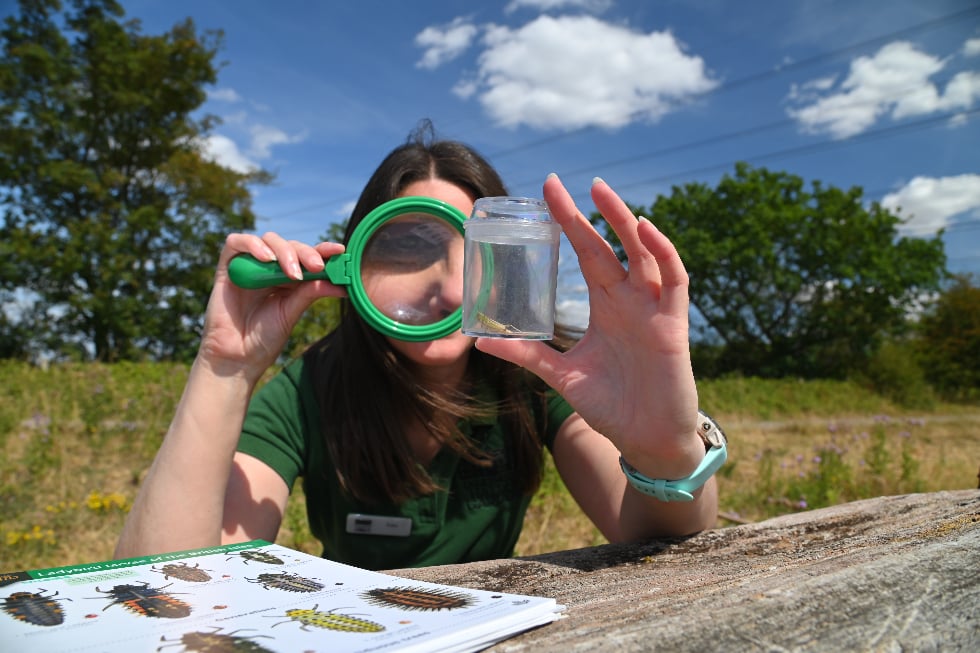
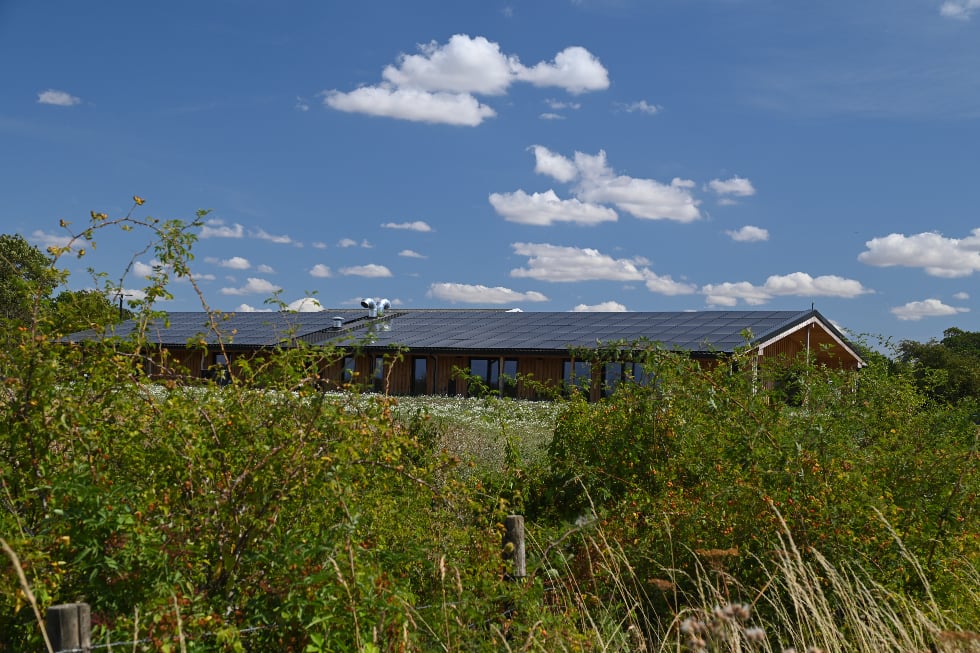
In July wildlife presenter Megan McCubbin officially opened the Wild House at Doddington. This building is at the heart of Wilder Doddington, one of England’s most ambitious long-term nature recovery projects, bringing together education, learning, research and well-being.
The Wild House is England’s first certified Passivhaus Premium non-domestic building, generating almost eight times as much energy as it uses. It’s built with low carbon natural materials and insulated with cellulose fibre made from recycled paper. The building provides the operational base for Wilder Doddington, so that from primary schools to postgraduate students, the Wild House is helping to build a community for nature-based learning.
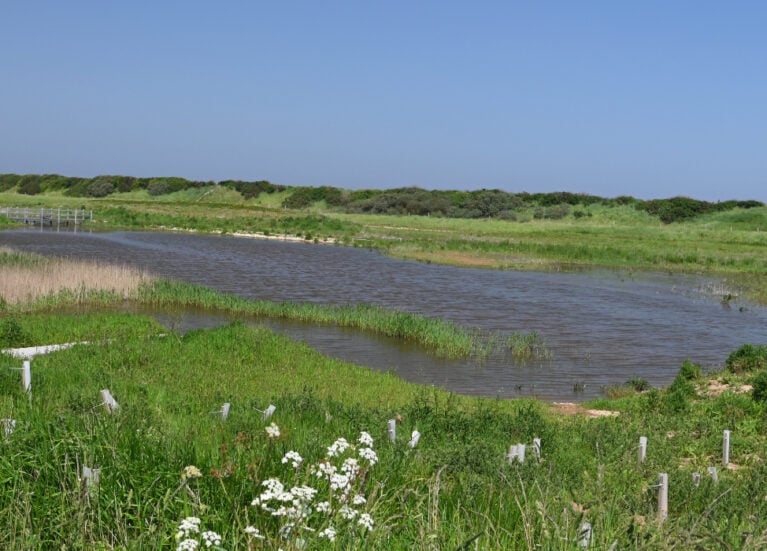
Wilding work on the estate continues apace. Over 30 new ponds have been created, put to the test by our incredibly dry summer this year. These wetlands will create important freshwater habitat, increase carbon storage in the soil and provide natural flood protection for Lincoln.
Doddington wanted to have a more naturalistic approach to pond and wetland creation – the principle was that ‘chaos is key and variety is vital’. Traditional pond excavations often produces smooth edges and tidy shapes. They embraced the ‘rough and rugged’ method. Ponds with irregular profiles and varied depths gives a huge diversity of microhabitats.
Sedge Warblers and Reed Warblers moved in and a Water Rail chick was discovered – a new breeding species for Doddington. Common Snipe and the rarer Jack Snipe were attracted by the soft wet mud rich in invertebrates. Still in its early stages, this wetland will continue to develop as natural processes unfold. One to watch! See our Diary of Events for volunteering opportunities and children’s activities at Wilder Doddington.