Itinerary
Wolds to Waves (and Waves to Wolds)
Feel the step-change in Lincolnshire’s landscape, one foot at a time
Lincolnshire is full of contrasts, and this is the day out that lets you feel and see them.
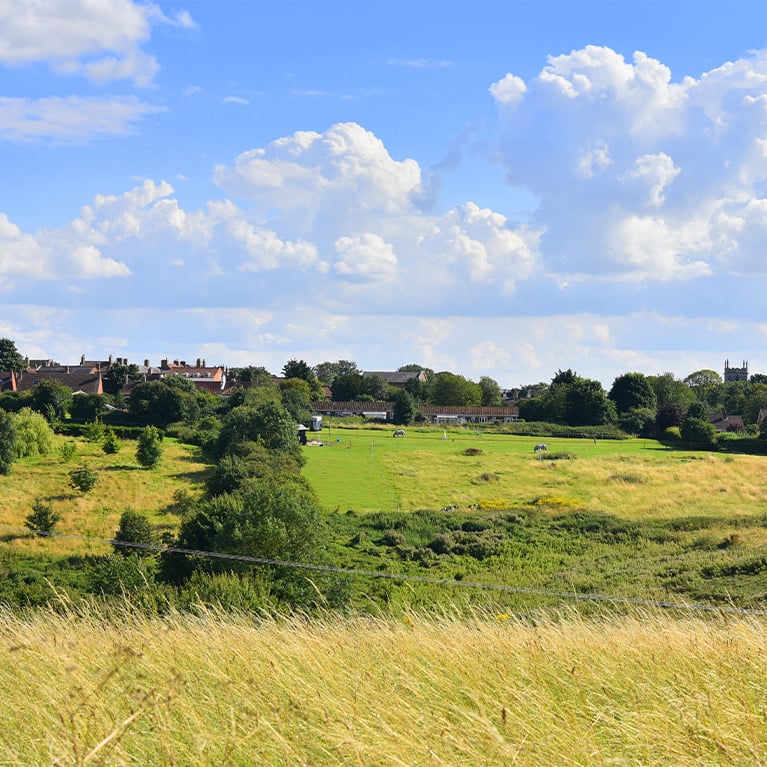
Start in the Wolds-edge calm of West Lindsey, where paths and lanes carry the hush of open countryside. Then give in to the pull of the northeast of the county, and its strong Viking roots, and watch the landscape transform along the way. Uplands flatten to meet sand and salty air, hushed voices move from church pews and hillsides to dockside banter, and the fresh air from the Wolds releases as a collective exhale at the coast.
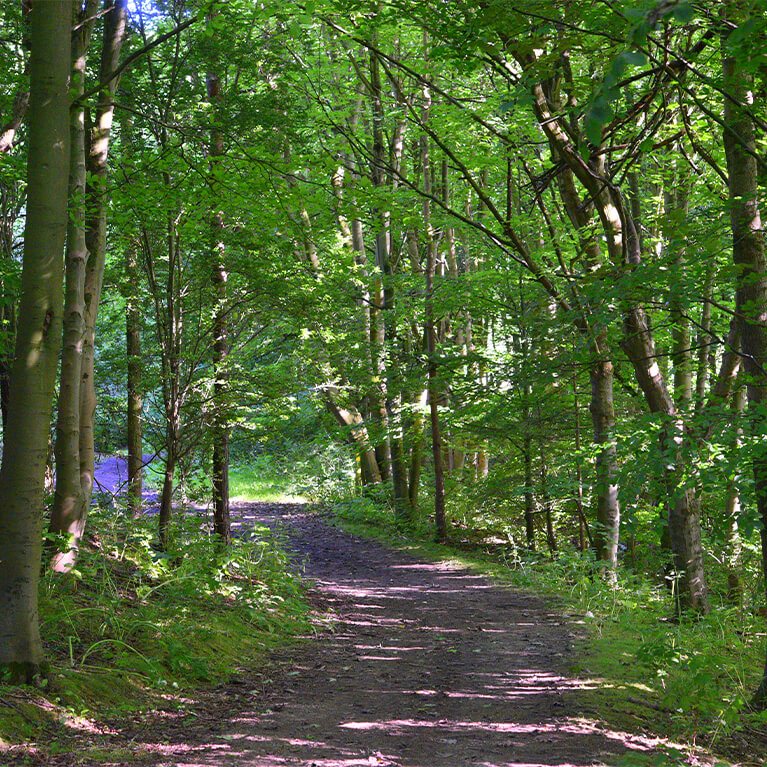
You may feel like the first person to have walked this path, or even like the only person in the world as you travel from West Lindsey to North East Lincolnshire - from county to coast or vice versa. Alas, you are in fact walking in the footsteps of Vikings. A path that people have followed for centuries.
Just like Havelok and Grim, a tale that follows Viking Grim and the boy prince Havelok as they flee across the North Sea and begin building the settlement that becomes Grimsby, a legend that symbolised early settlers who called the region home. While the 147-mile Viking Way footpath that carves a path through Lincolnshire, Leicestershire and Rutland was named to recognise the historical influence of 9th-century Norse invaders.
From inland calm to coastal buzz
At a glance
Time needed: A full day (or split into two)
Best for: Day-trippers, history lovers, walkers, families with older kids, weekend wanderers
Getting around: Car + walking
Route style: Modular — pick two or three hero stops and decide the rest on the day
The vibe: Wolds-edge reset + sea-air energy, stitched together by stories of centuries gone by
Join the dots
Less tick-list, more transformation
This itinerary is less “tick-list”, more transformation. Begin with Wolds-edge views and market-town texture, then move towards the coast where everything feels fresher: wind, light, energy, colour. Don’t expect too much of a history lesson, rather a new lens through which to see your travels. Trace a meaningful route across contrasting terrain, and spend some time connecting to the landscape surrounding you…instead of simply driving between two places.
First steps
Start with lanes and local life
A calm first chapter before the day turns wilder
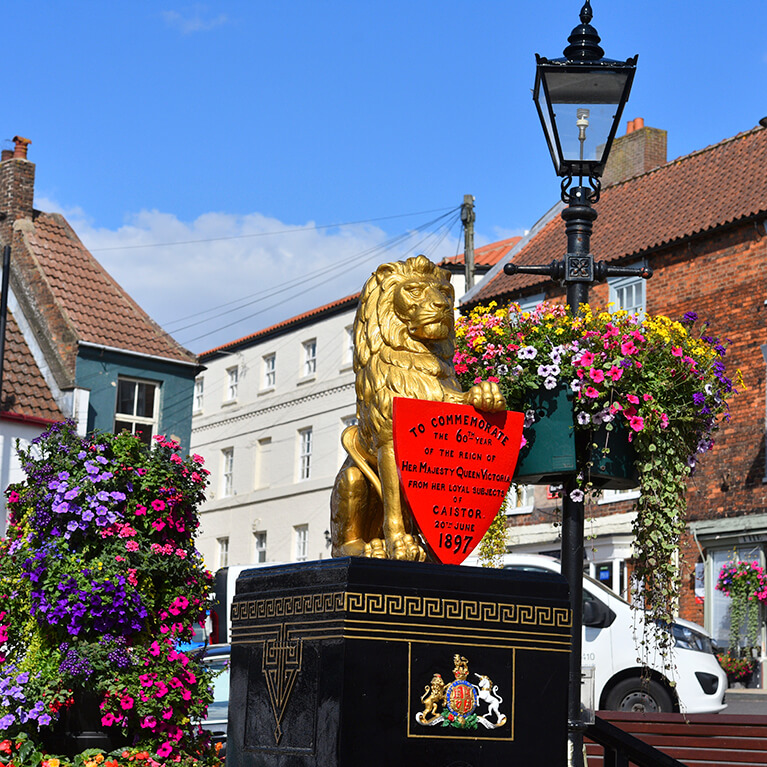
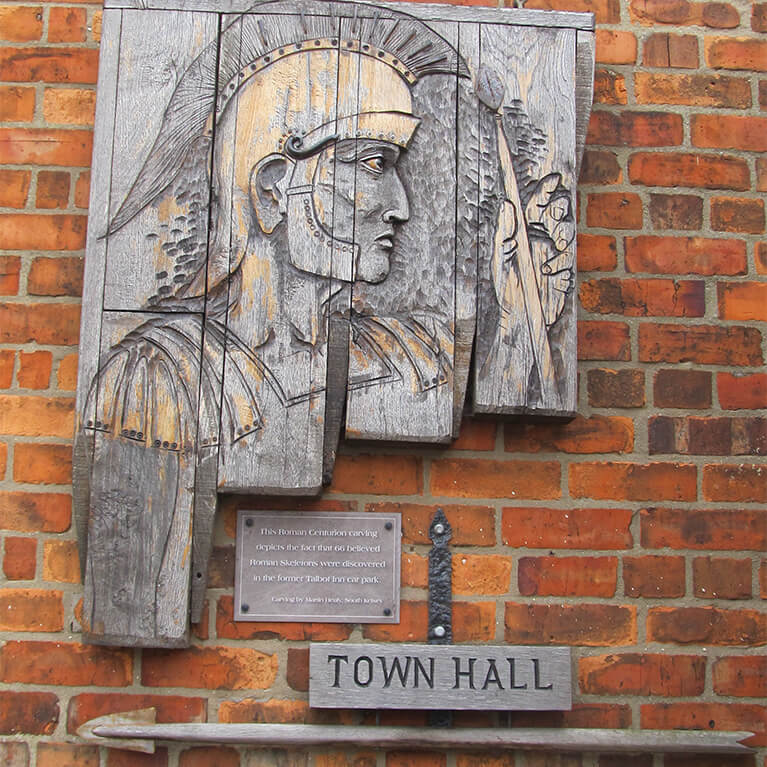
A hillside market town perched on the northern edge of the Lincolnshire Wolds, Caistor has long been considered a natural gateway point for Wolds-to-coast adventures. It’s a place that makes you slow down: a traditional market square, a proud sense of local heritage, and a position right on the edge of the Wolds. While the architecture is mostly Roman and Georgian, following Anglo-Saxon rule, Caistor fell under the Danelaw, the area of northern and eastern England under Viking administrative control. A historic detail that has famously connected the town to the Viking Way, the 147-mile walking path taking you from the Humber into Rutland, which passes directly through the town.
Take a wander here, grab a coffee, and treat this as the calm before the natural wild coast.
Best for: A gentle start with an in-built story
Don’t miss: A quick Viking Way moment — sign, marker, or just that sense of walking in an older line of footsteps
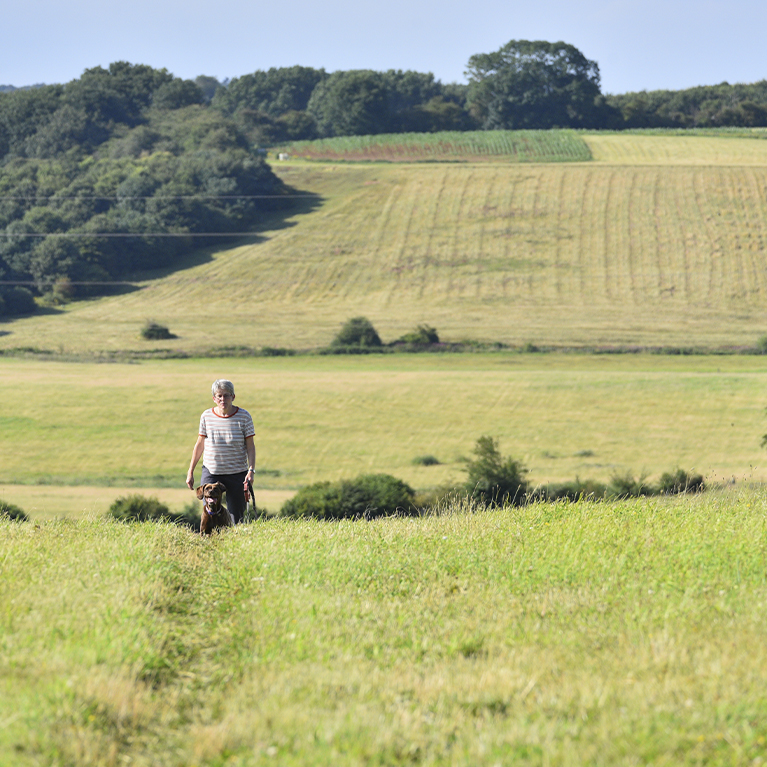
Walk in their footsteps
Follow the Vikings further inland
If you’d like to follow Viking history, head to Gainsborough next
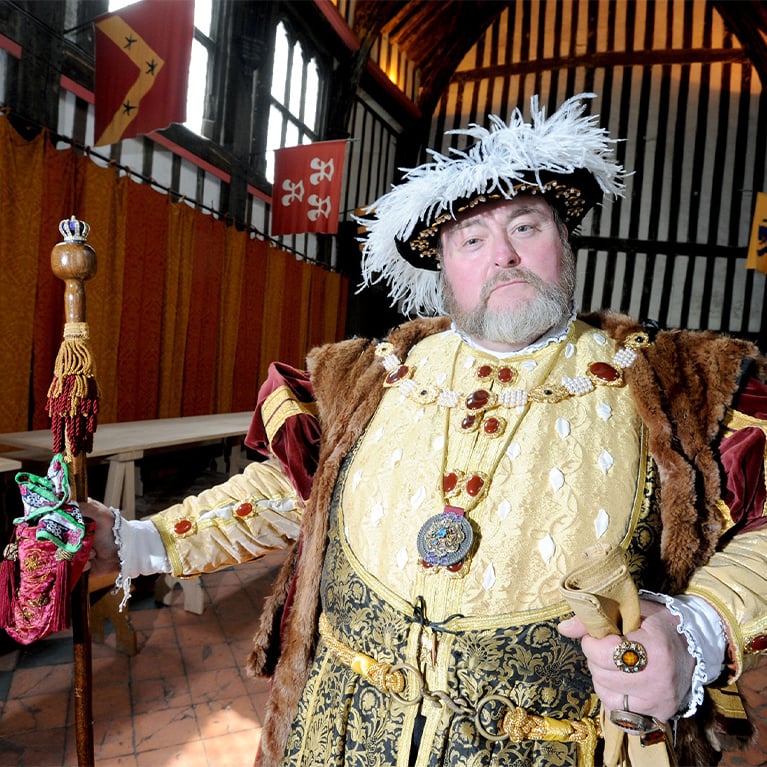
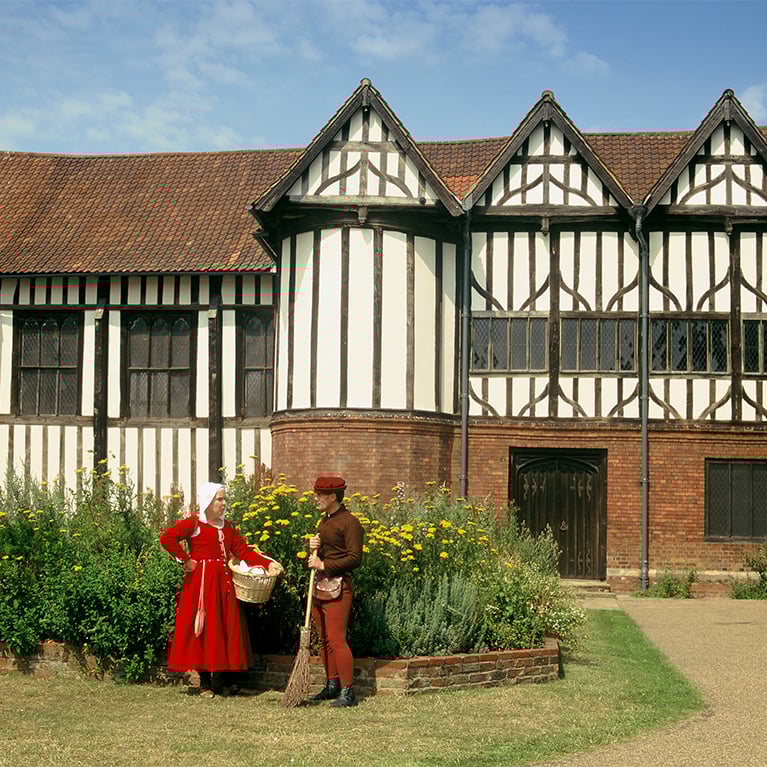
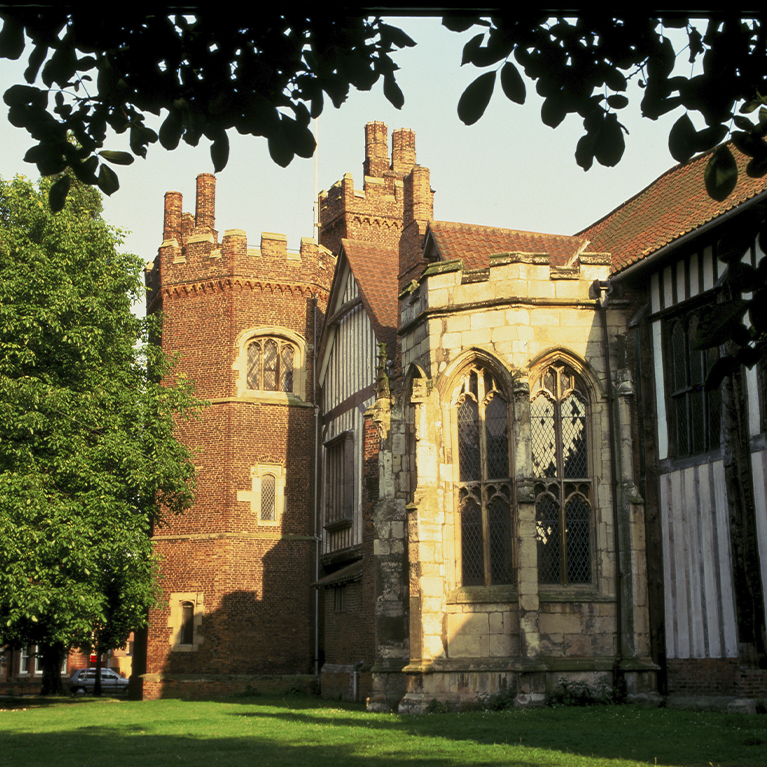
If you’re keen to add in a stop with real weight, weave in Gainsborough. Often celebrated locally as a ‘Viking Capital’, in 1013–1014, it’s believed the town served as a Danish base and short-lived centre of power during Sweyn Forkbeard’s conquest, with Sweyn and his son Cnut arriving by fleet and setting up camp close to where Gainsborough Old Hall stands today.
This is also where one of England’s best-known Viking-era legends is rooted: the story of King Cnut ‘commanding the tide’ on the River Trent, not to show off his power, but to prove its limits. Today, you’ll still find nods to that legacy in the town, including a mosaic of Cnut in Whitton Gardens. Stand by the water, picture the ships, and carry that Norse influencer forward into your coast chapter.
Time to be surprised
Where heritage sits at the water’s edge, and culture plays in the waves
Dockside stories, big skies, and unexpected art
Now swap Wolds-edge lanes for coastal identity. In North East Lincolnshire, the sea is more than a backdrop — it’s shaped the place, the people, the industry, and the stories that keep the region alive. This is where you bring in the “unexpected” lens: classic seaside ease, plus modern culture, plus heritage that feels alive rather than preserved.
Best for: History with a wild side
Don’t miss: The home of the Havelok’s story, Havelok’s Kingdom, is the story-first way to experience Grimsby beyond the usual seaside loop. Known for the events it puts on locally, from Grim's Great Time Travellers and Grim's Great Jorvik Saga to Grim's Great Viking Village, keep tabs on the group behind these award-winning live events, immersive experiences and games, exploring the exciting new adventures of Havelok and Grim the Viking.
Catch of the day
Festival of the Sea (Grimsby)
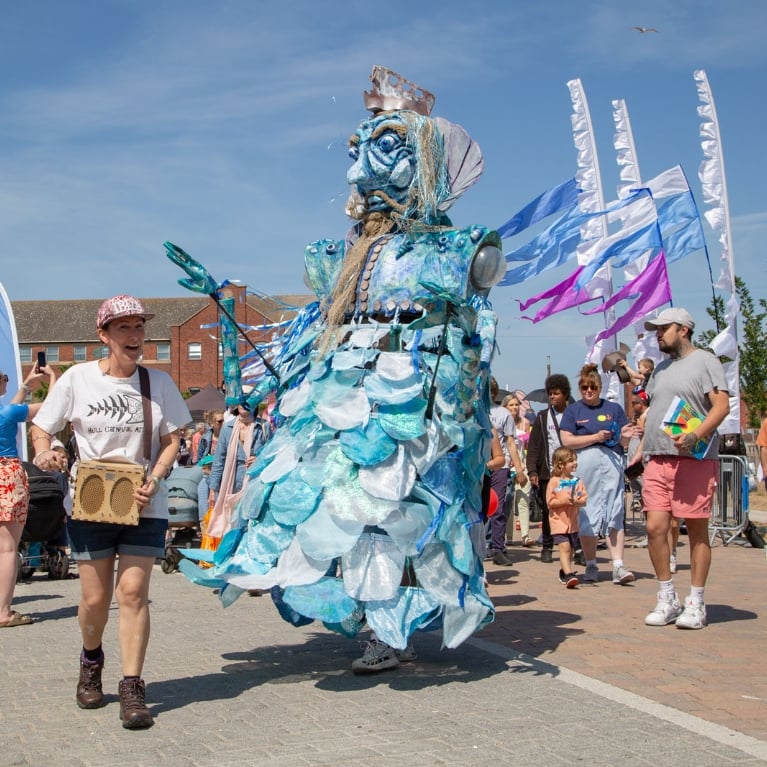
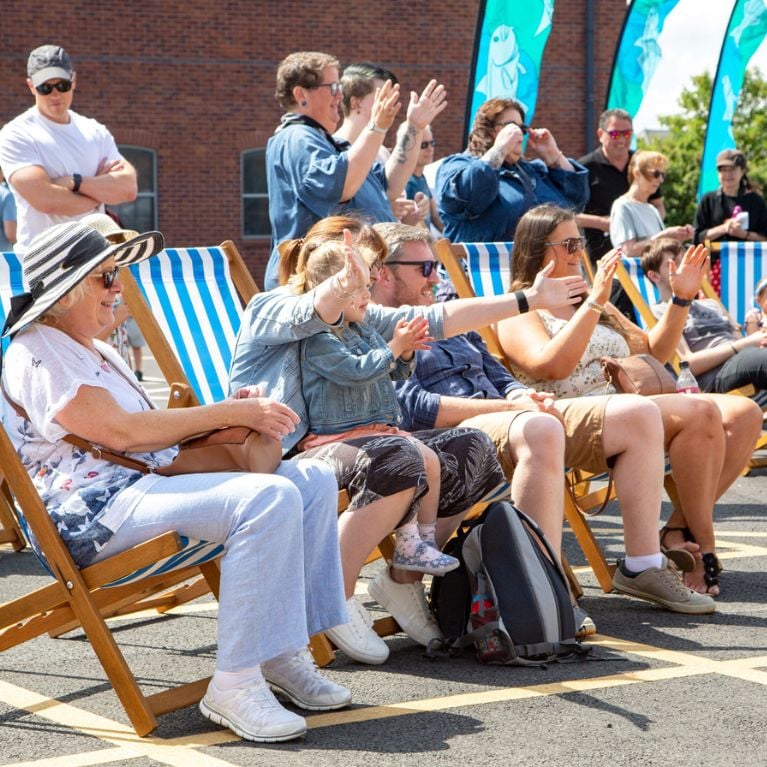
A celebration of Grimsby’s relationship with the sea through heritage and culture, with food, activity, and family-friendly energy, the Festival of the Sea is back! Now in its sixth year, this free festival celebrates the town’s proud maritime heritage and world-leading seafood industry, with a vibrant programme of entertainment, activities and food experiences.
Festival of the Sea was Highly Commended at the 2025 Greater Lincolnshire and Rutland Tourism Excellence Awards as "Festival of the Year".
When: Saturday 20 June 2026
Ready when you are
Start in the hills. End by the sea.
Follow Greater Lincolnshire’s wild story in between.
The best day trips aren’t about ticking off stops — they’re about immersing yourself in your surroundings, making new discoveries and connecting with new (or familiar) places.
Greater Lincolnshire’s ties to Viking history lie at the heart of this day of exploring. From the calmness of the Wolds through the tilting landscapes that soften and open as you travel towards the coast.
The beat of the Viking drum is always close by. It’s there from Gainsborough to Grimsby, in the tales of Cnut, Havelok and Grim, and it’s there in the small, satisfying details too. The waymarkers, and the paths that still follow ancient foundations and lines of travel.