Did you know this?
Lincolnshire & The Normans
Did you Know?
On 14 October 1066, William, duke of Normandy, defeated King Harold Godwineson at the Battle of Hastings and took the English throne. The events are portrayed on the Bayeux Tapestry, a remarkable embroidery that from September 2026 to July 2027, will be returning to England for the first time in its history and will be displayed at the British Museum.
The Normans in Lincoln
1066 saw the arrival of a new dynasty in England under William the Conqueror, who established his authority ruthlessly in the years that followed. William ordered many castles, keeps and mottes to be built – among them Lincoln. Most of the native Anglo-Saxon aristocracy lost their property and were replaced by Normans.
Lincoln was one of the largest cities in England and a major commercial centre. It experienced the full impact of the Norman invasion being taxed heavily.
A new norman castle
William the Conqueror introduced castles to England, they were his very visible symbol of aggressive power and the suppression of his new subjects.
'The King rode into remote parts of his kingdom and fortified strategic sites against enemy attack. For the fortifications, called castles by the Normans, were scarcely known in the English provinces.'
Orderic Vitalis, 11th century monk and chronicler
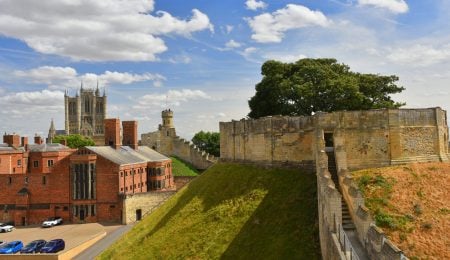
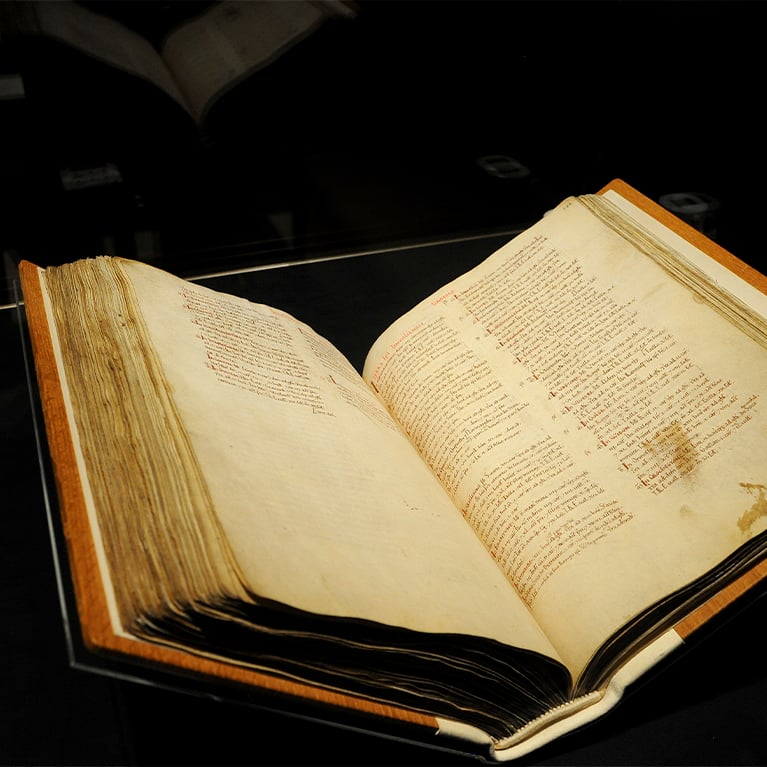
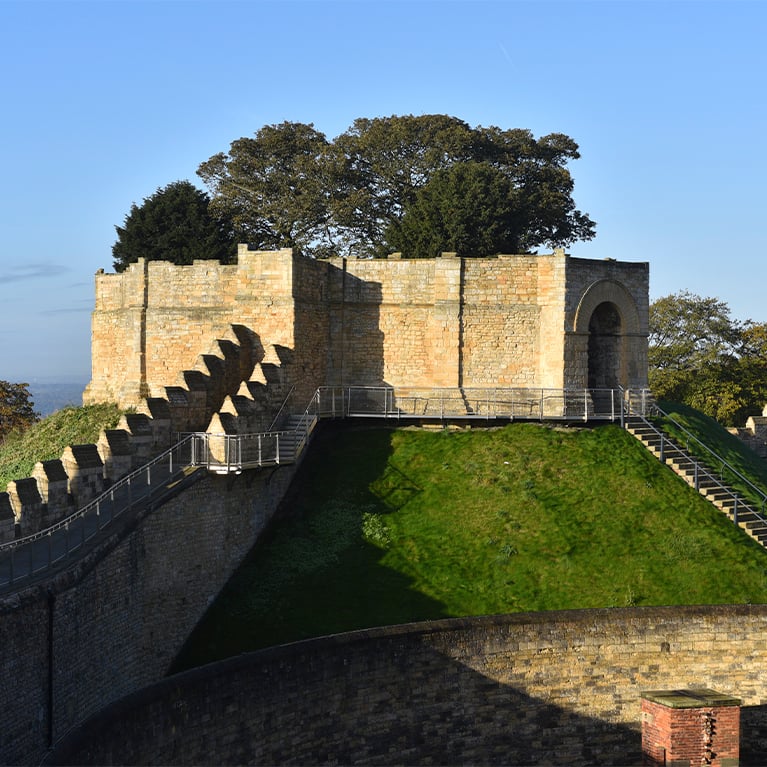
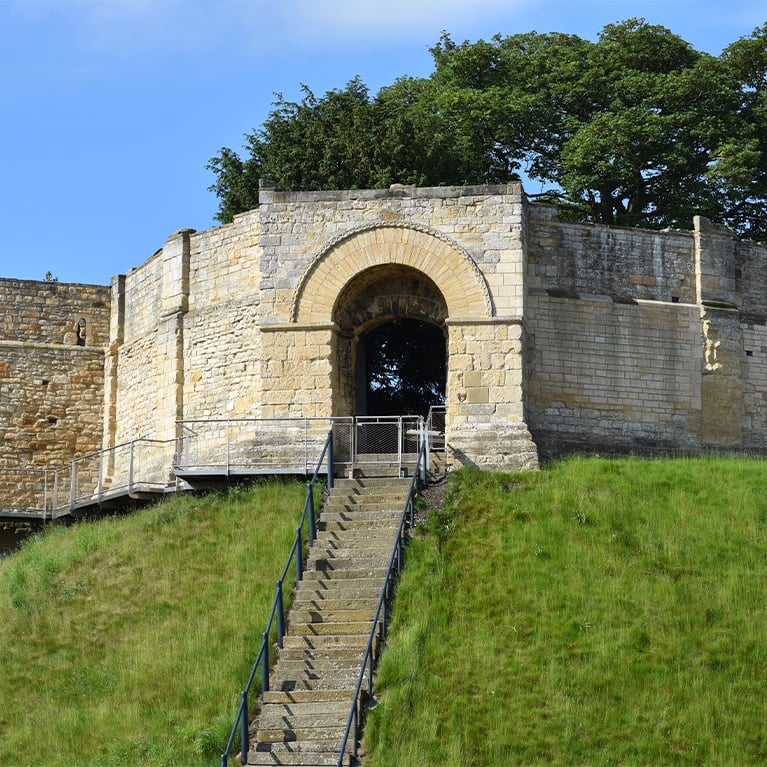
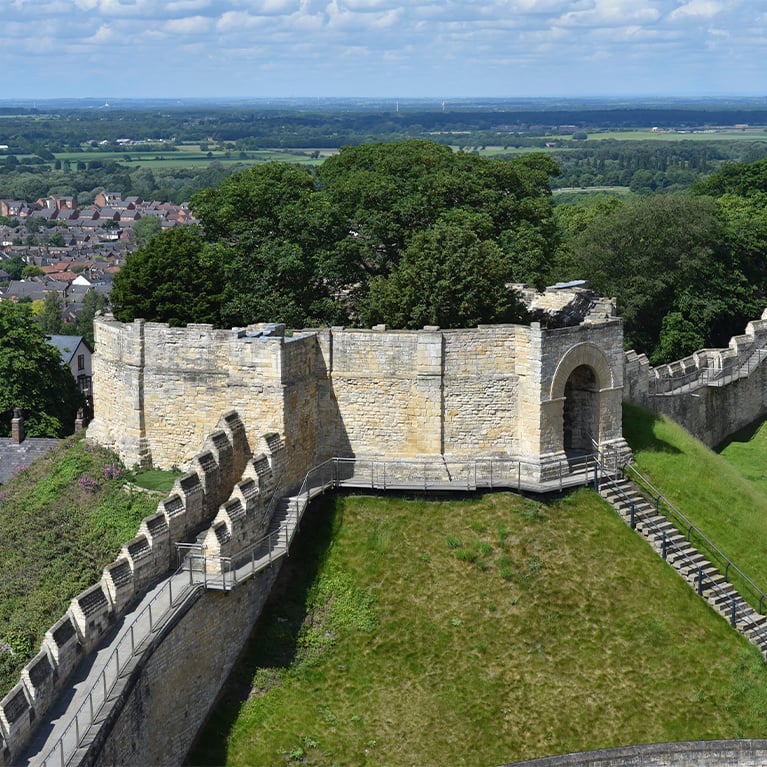
In 1068, William the Conqueror ordered a castle to be built in Lincoln to control the area, reusing earlier Roman defences. The early castles were simple earth and timber constructions, Lincoln Castle being replaced with stone structures from the 1080s onwards. In 1086, Domesday Book, William’s monumental record of his new kingdom’s property and assets, it says that 166 messuages (dwellings) were ‘destroyed’ to clear land for the castle. Later additions to the Norman castle included the construction of the Lucy Tower, a shell-keep of c. 1129-1138, that still dominates the Lincoln skyline today, which came to be named after Countess Lucy, an heiress of Norman and English ancestry.
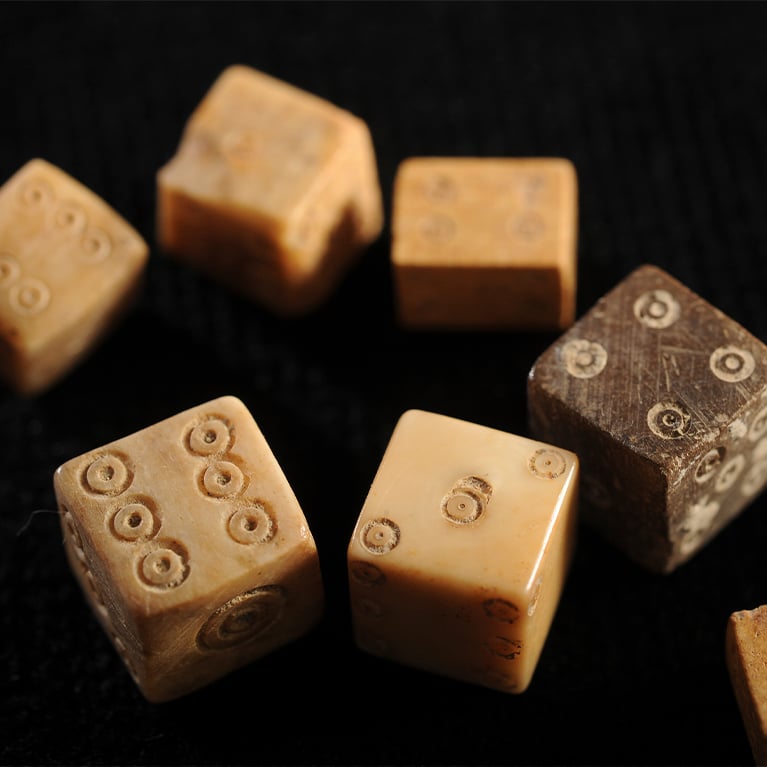
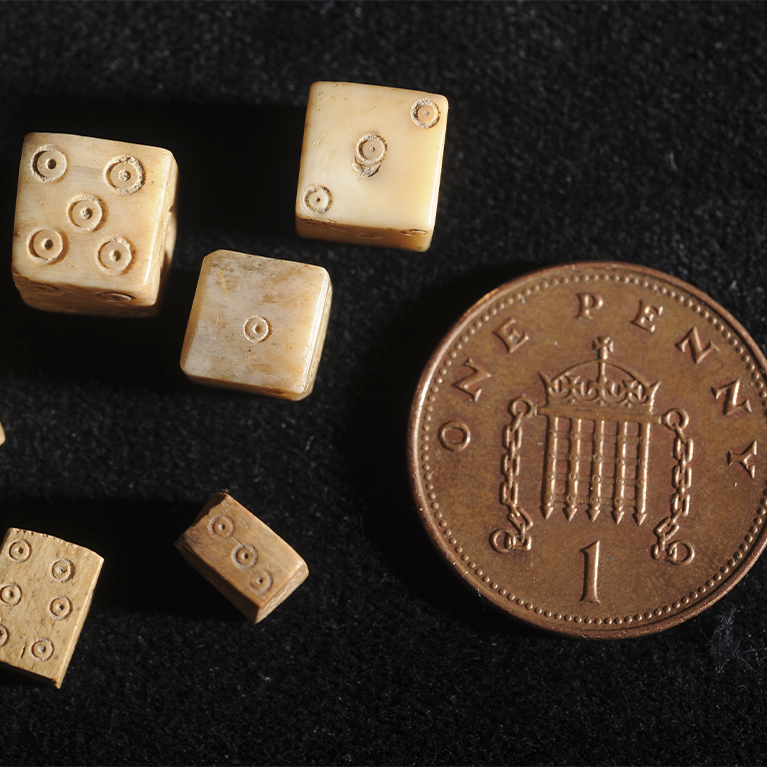
A major restoration of Lincoln Castle took place 2005-15. During archaeological digs a feasting midden (rubbish dump) was discovered where over 5000 animal and fish bones were found, showing that this was high status feasting for the elite. It is possible to align the feasting evidence with documented royal visits to Lincoln by Henry II, great grandson of William the Conqueror, in 1175, 1179, 1181 and 1183. As well as the bones and pottery, also found were bone flutes, bone pins and seven tiny dice made from slate, ivory, bone and antler. All on display at Lincoln Castle.
A New norman cathedral
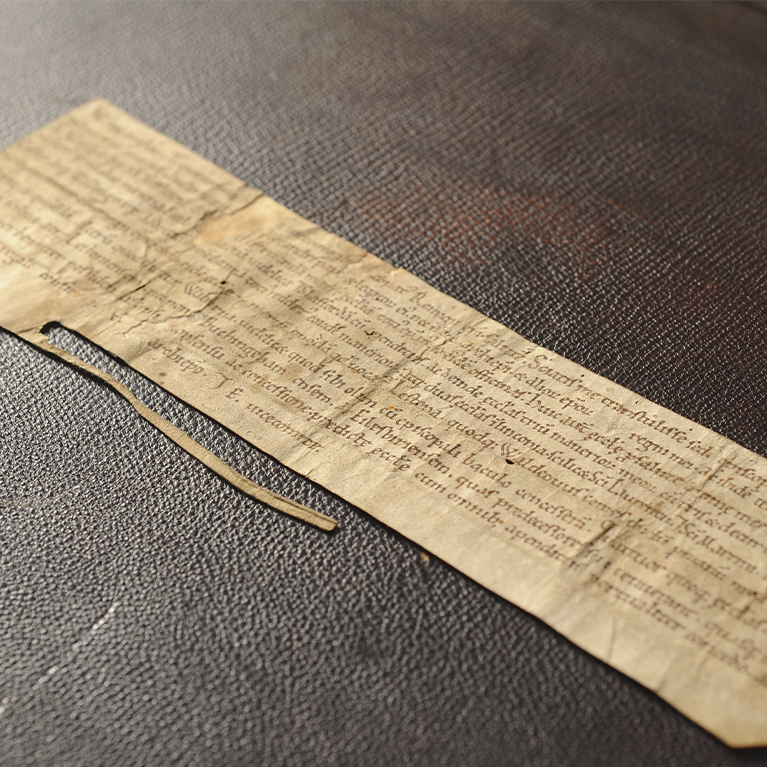
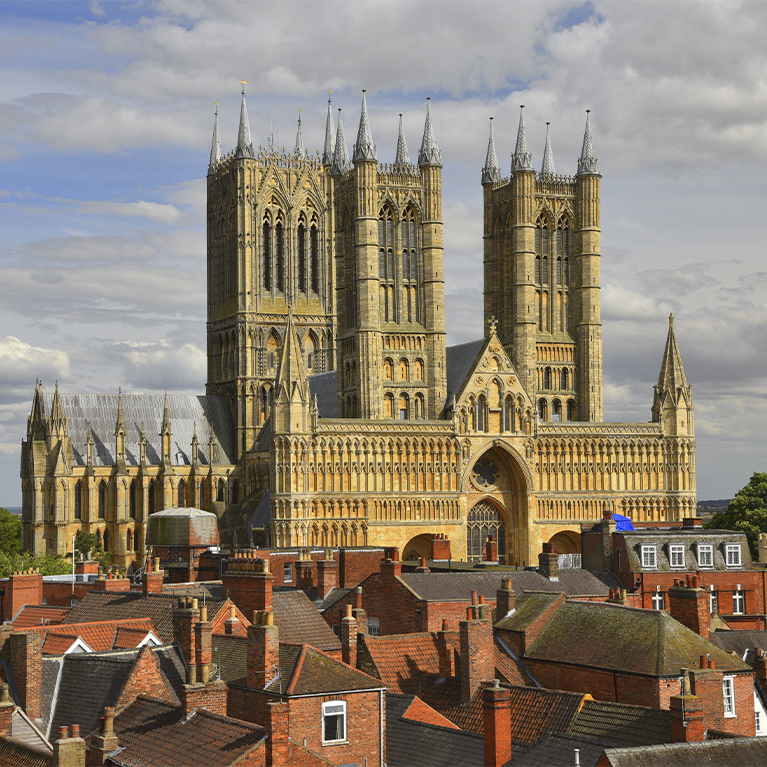
William the Conqueror was a deeply religious man and often built cathedrals alongside his new castles. In 1072 a tiny piece of parchment 2 by 10 inches orders the Norman bishop, Remigius, to transfer his bishop’s see from Dorchester to Lincoln. Known as the William the Conqueror Writ and still at Lincoln Cathedral, it begins “I, William King of the English…” (translation). Ever practical he goes onto list the places which will provide the money to build the cathedral. Remigius built a splendid new cathedral in Lincoln which was consecrated in 1092 and became a major centre for pilgrimage. In the Middle Ages, the diocese of Lincoln was vast – the largest in England. It covered eight and a half counties, stretching 162 miles from the Humber to the Thames.
The heavy rounded arches on the West Front are believed to date from William’s original cathedral. One of the best views of the West Front is to be had from the walls of Lincoln Castle.
Stow Minster
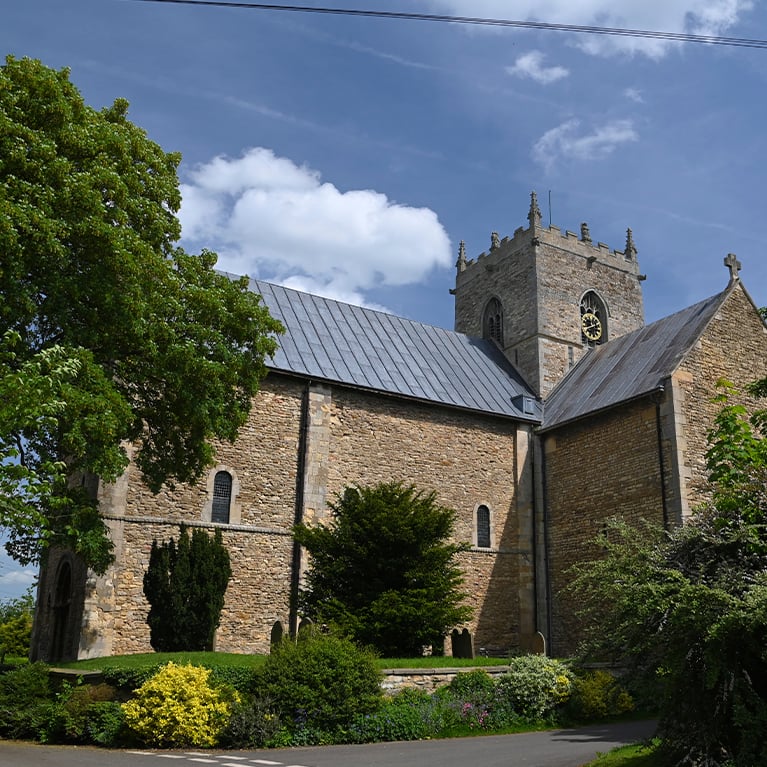
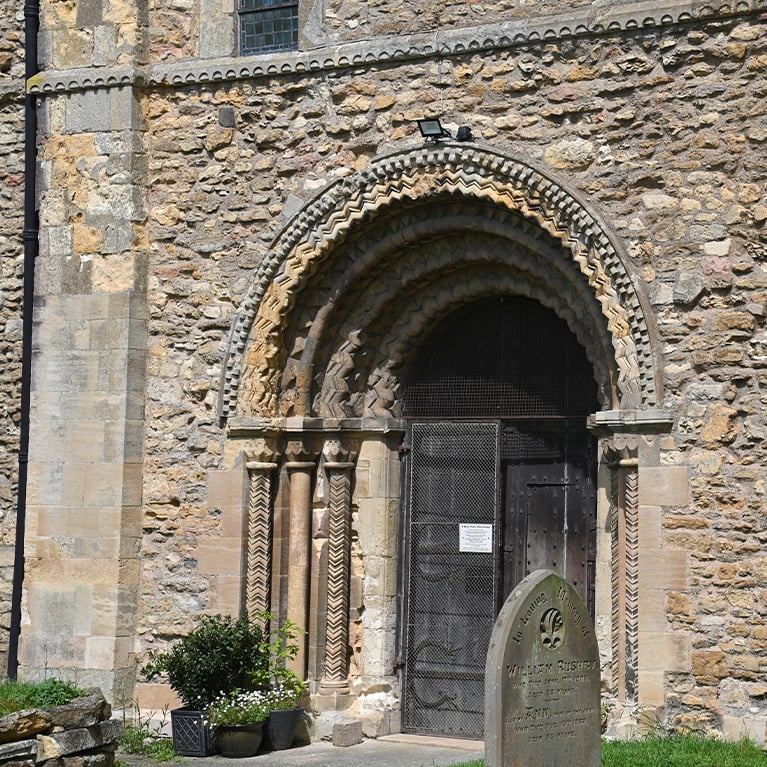
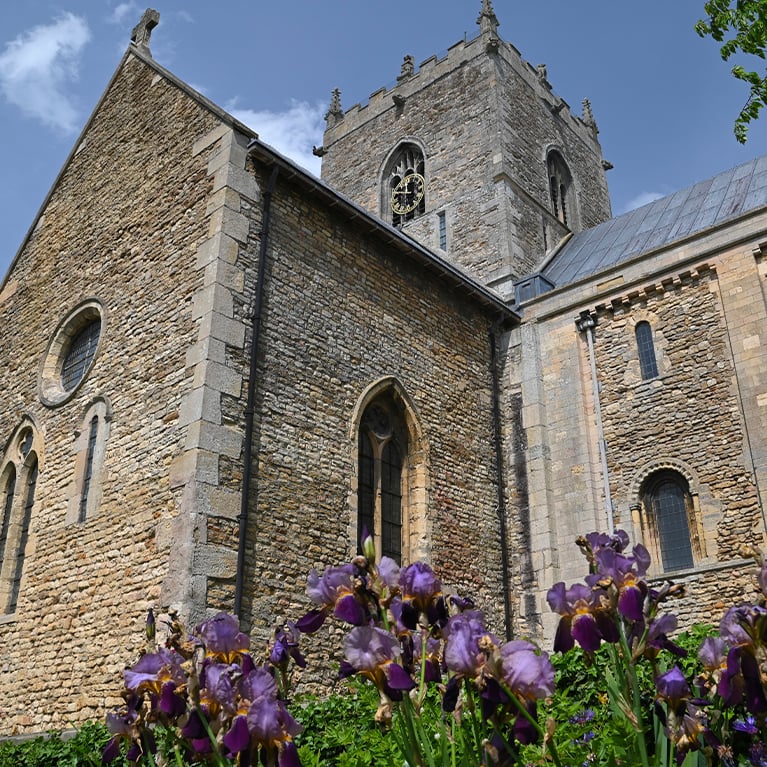
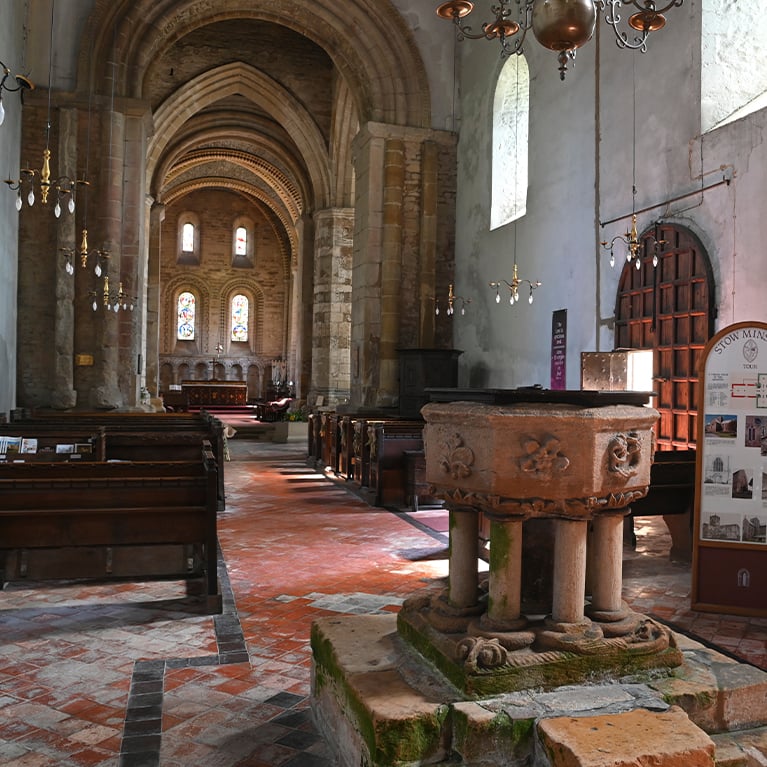
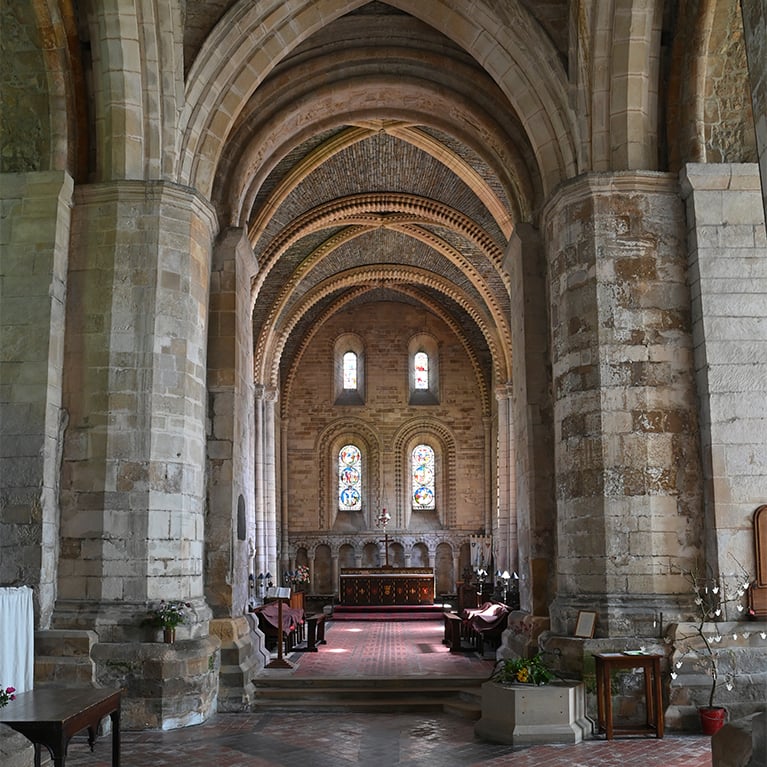
One of the oldest and largest parish church buildings in England. Part Anglo-Saxon and part Norman in date, it also features the earliest known example of Viking graffiti roughly scratched into the stone – a Viking sailing ship. Bishop Aelfnoth built Stow, near Lincoln in about 975, but it was later destroyed by fire. The church was rebuilt by Bishop Eadnoth II and later enriched by Leofric, earl of Mercia and his well-known wife, Lady Godiva. A charter of 1054 describes how they paid for priests to sing the services in the way they were sung in St Paul’s Cathedral in London.
By the time of the Norman Conquest 12 years later, it is likely that the transepts, the crossing and the chancel were built. Norman Bishop Remigius, who was responsible for the building of Lincoln Cathedral in 1072, built the nave at Stow. This is the nave we see today, except that buttresses and doorways were added some 70 years later.
In the second half of the 12th century the Saxon chancel was replaced by a much larger one in the late Norman style. It is unusually grand and luxurious for a parish church.
The First Battle of Lincoln (1141)
A major battle took place in Lincoln during the reign of King Stephen (1135-1154), a grandson of William the Conqueror. King Stephen’s reign witnessed a major civil war between Stephen and his cousin, Empress Matilda (the daughter of King Henry I), his rival for the English throne. On 2 February 1141, King Stephen fought a battle with the Empress’s supporters in Lincoln, which led to the king’s capture, so that he was held prisoner until a later exchange took place early in November that year, after Empress Matilda lost control of London and Winchester.