Covenham Resevoir lies at the junction of the Inner and Outer Marsh of the Lincolnshire coastal plain adjacent to the Wolds. It is the largest body of freshwater on the eastern side of Lincolnshire and is fed from Louth Canal immediately to the east. It is only 6km from the coast.
what species and habitats can you find?
The huge waterbody acts as a magnet for freshwater birds of all kinds throughout the year including wildfowl, divers, grebes, gull, terns, waders, raptors and passerines. The Reservoir attracts a long list of scarce migrants and rarities and was ranked 11th best site in Lincolnshire in terms of species seen in Birds of Lincolnshire (2021). The surrounding largely arable farmland holds many of the typical Lincolnshire farmland birds throughout the year.
Autumn & Winter species
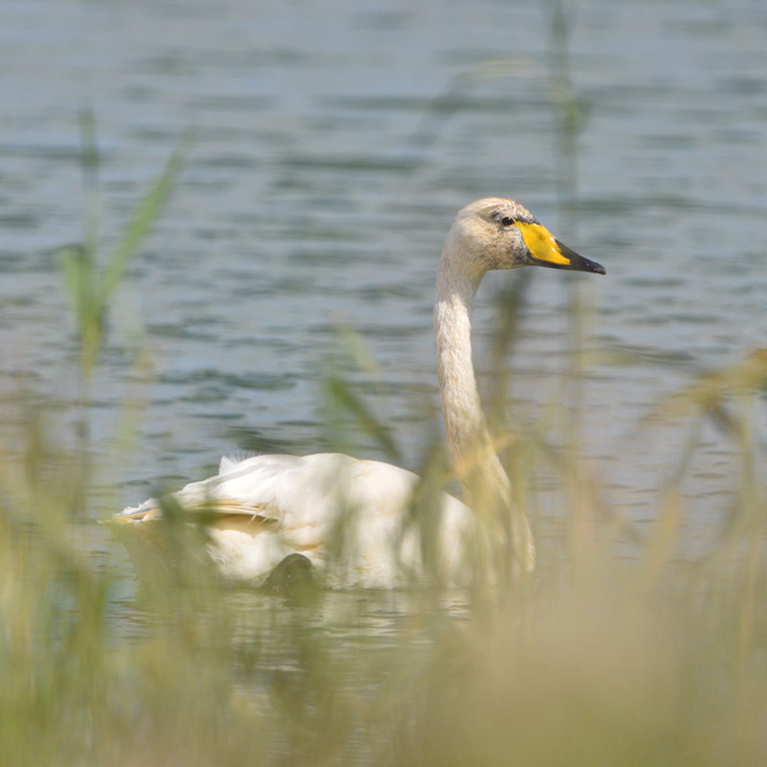
From September wildfowl numbers start to build up and passage pink-footed goose and whooper swans are seen. The rarer grebes are also seen more often as they move to winter quarters.
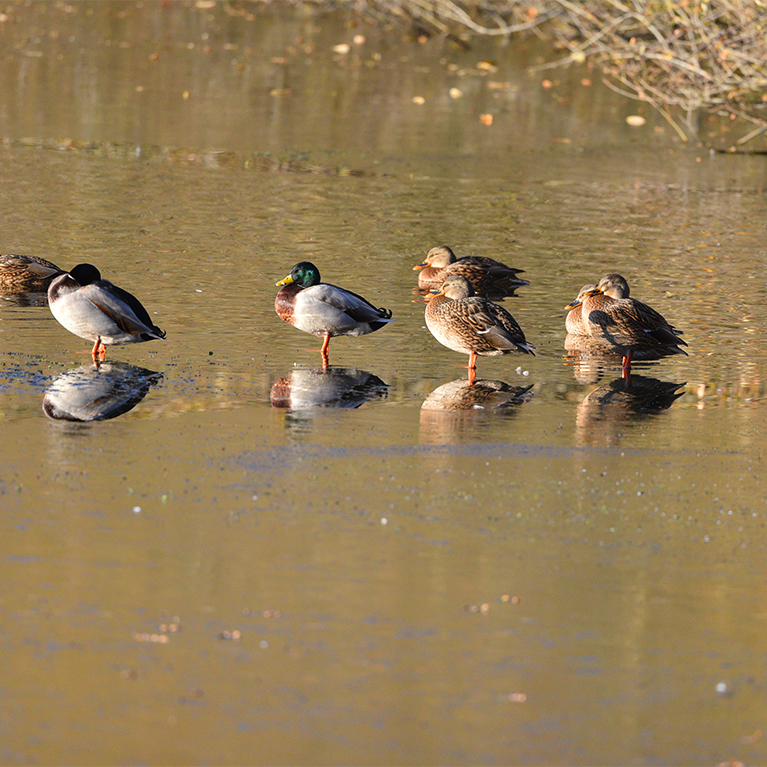
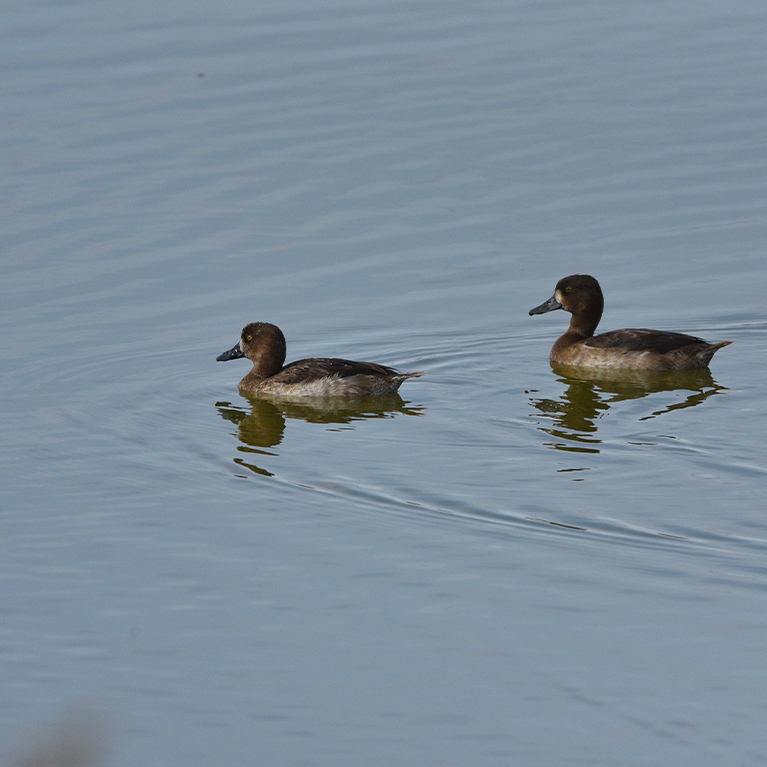
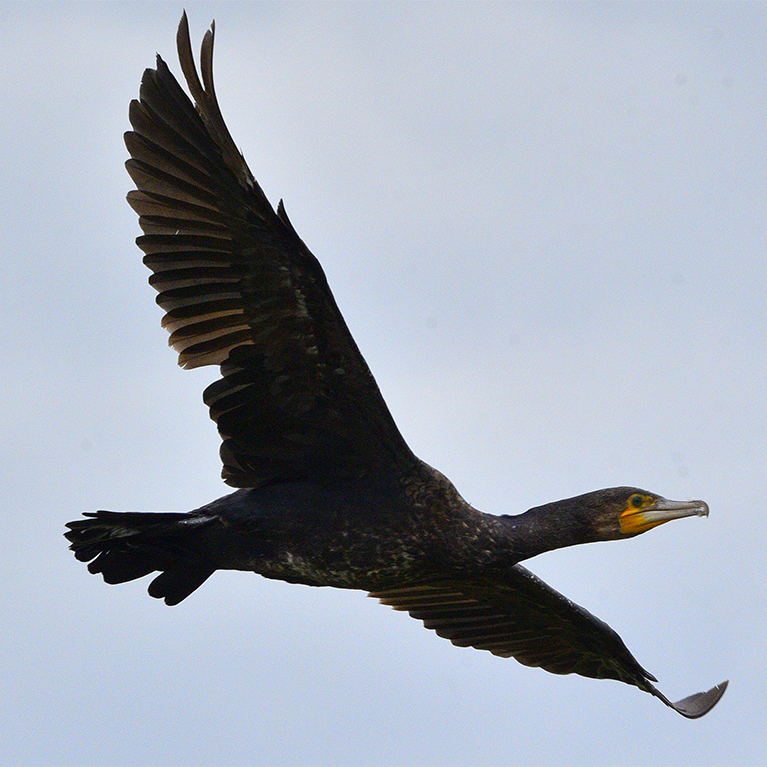
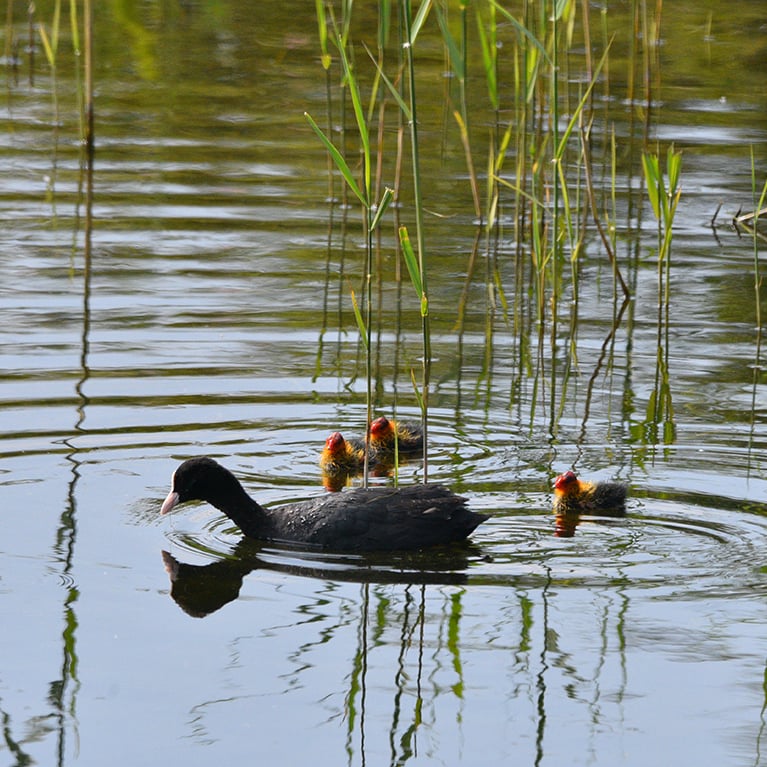
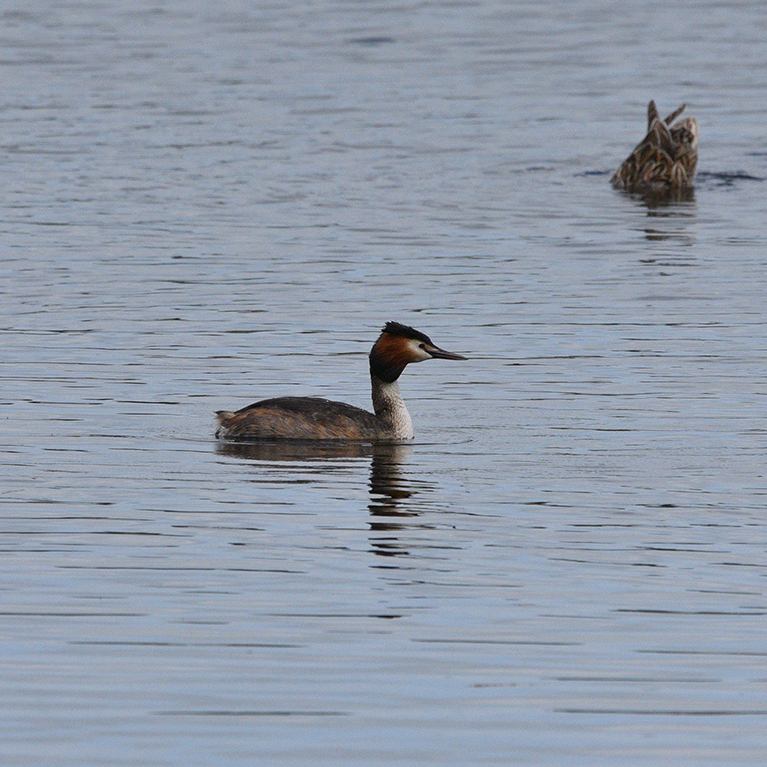
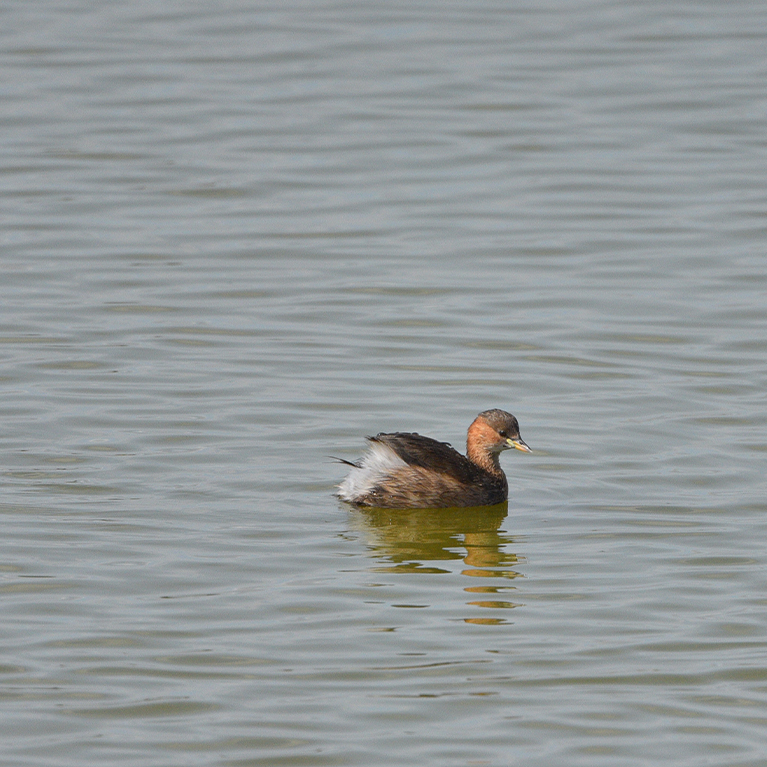
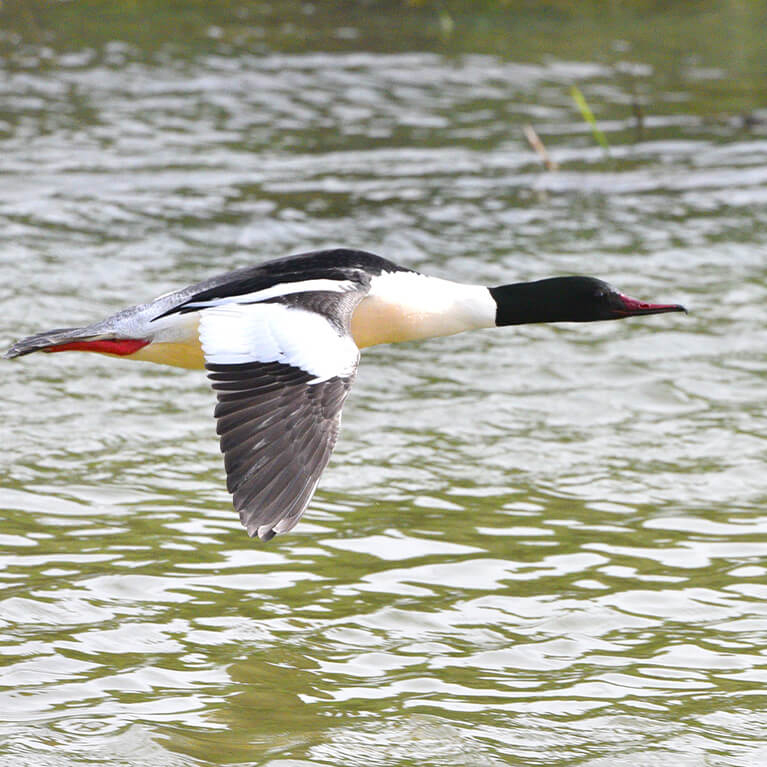
Mallard, tufted duck, goldeneye, goosander, sea ducks: scaup, common scoter, long-tailed duck, coot, cormorant, great crested and little grebe and frequently rarer grebes like Slavonian, red-necked and black-necked. On occasions divers winter especially great northern and red-throated and more rarely black-throated. There is usually a resident adult yellow-legged gull and scarcer gulls like Glaucous and Iceland can turn up to roost in the gull flock that runs into many thousands in the late afternoon/early evening. In late winter listen out for calling grey partridges in the fields to the north and east. Its always worth checking the rooves of the water treatment centre buildings in the north-east corner as they can occasionally hold wintering black redstart.
Spring & Summer species
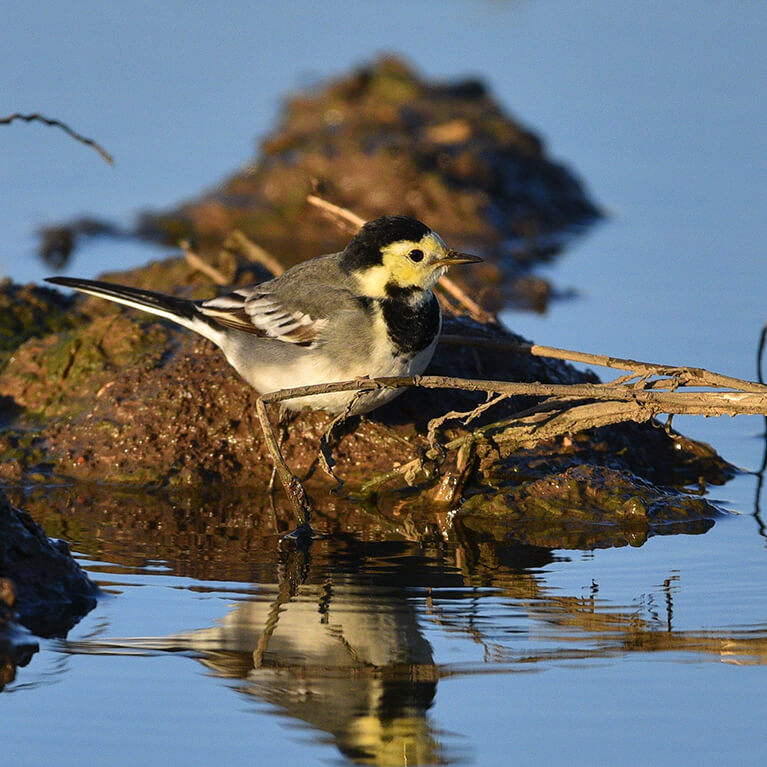
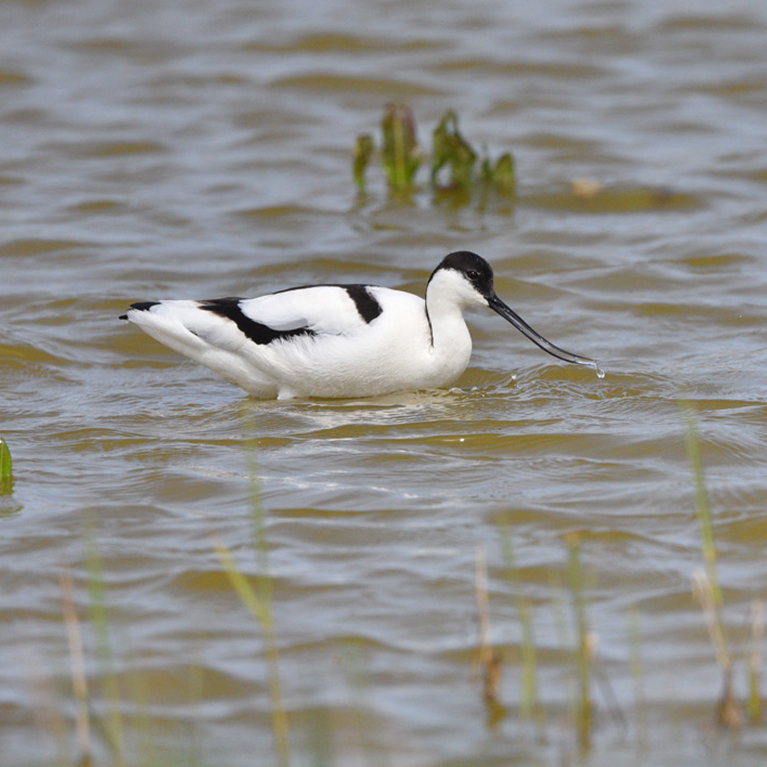
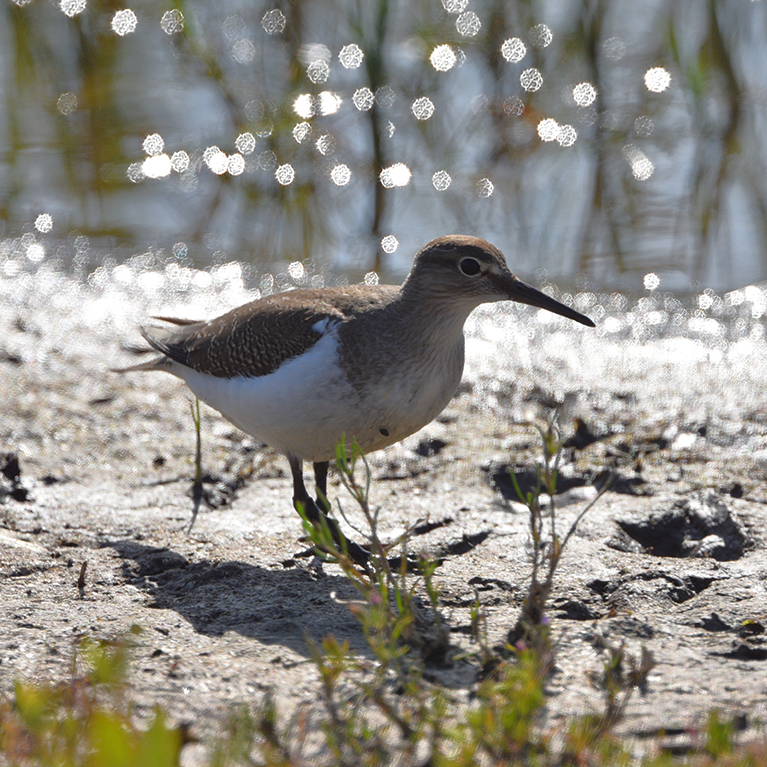
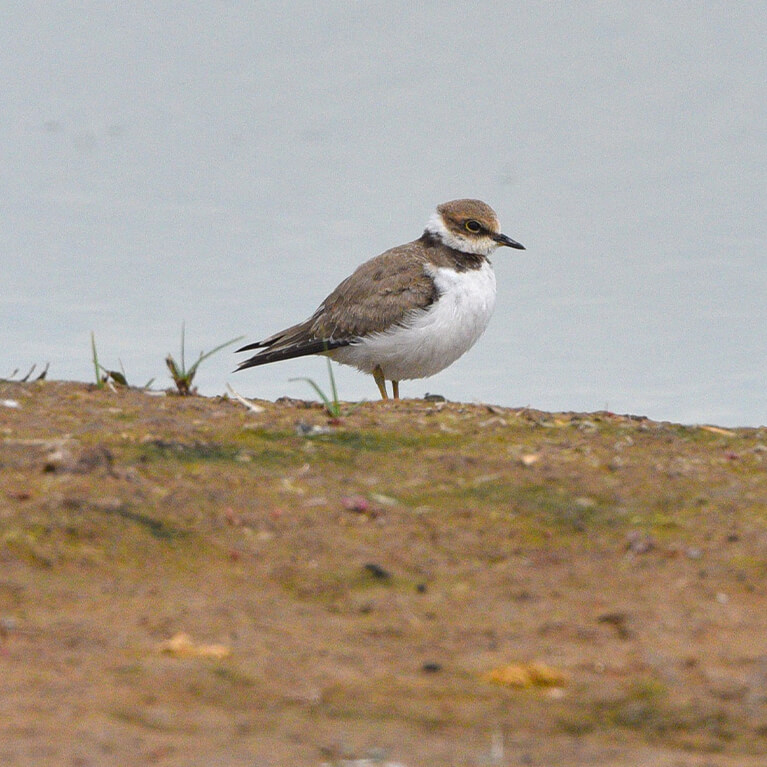
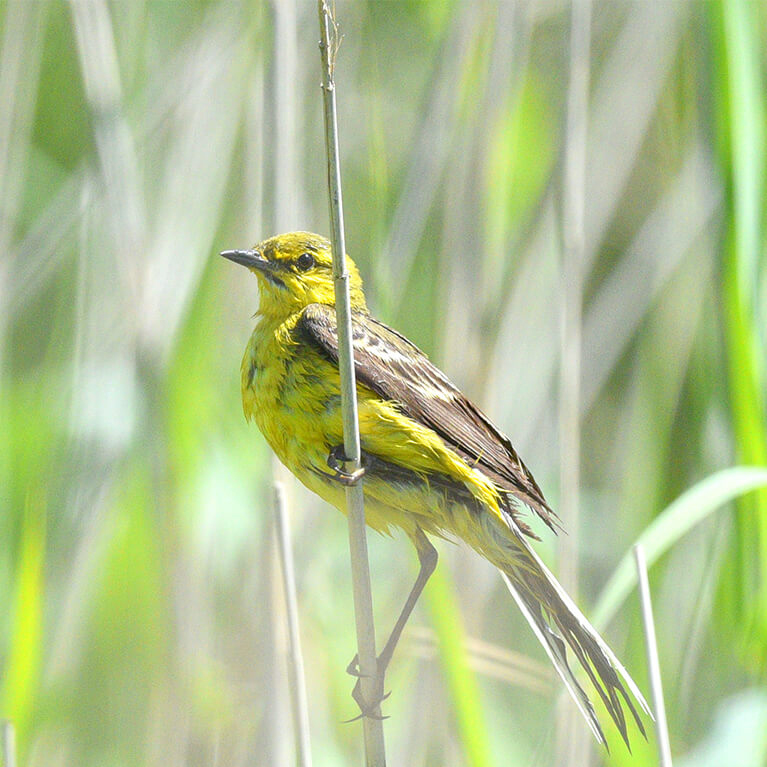
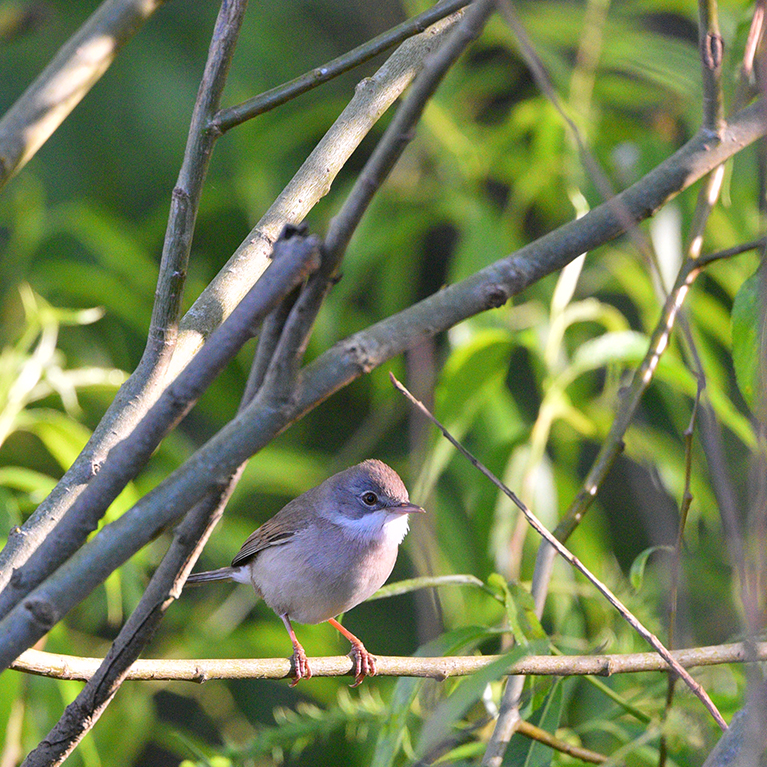
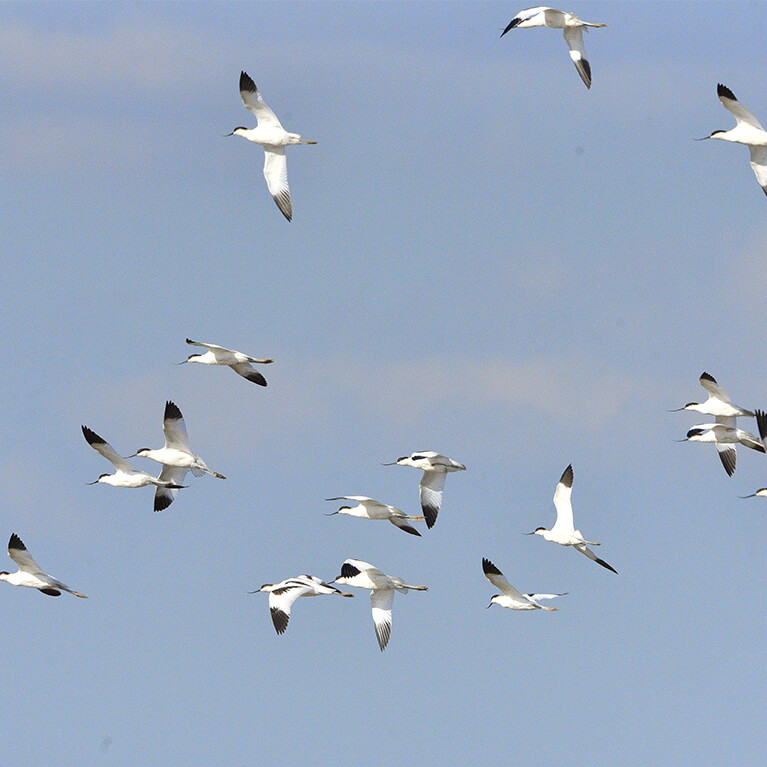
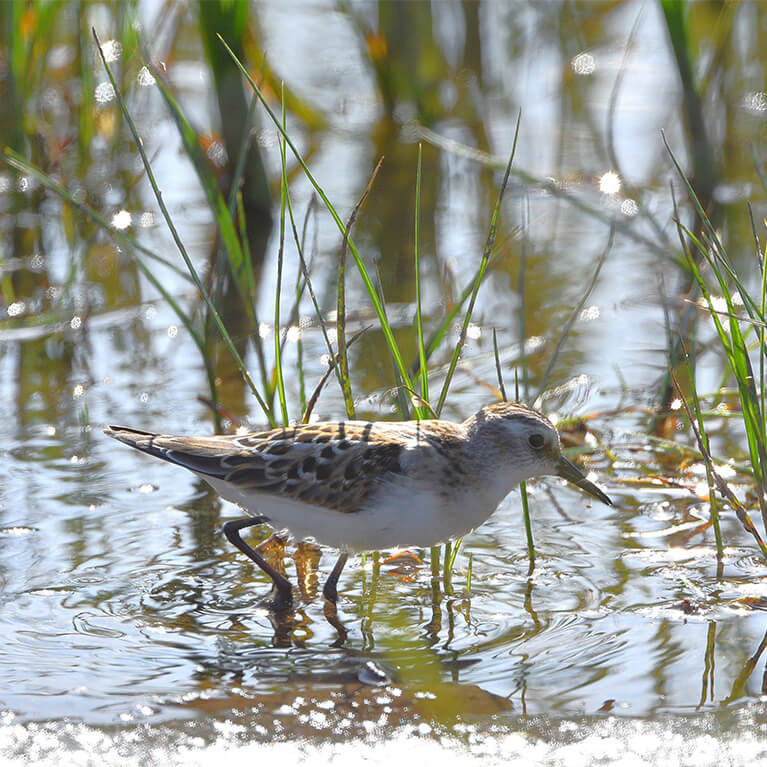
Most of the winter regulars are present into spring and are joined by garganey from late March, the hirundine and swift feeding parties can number into the thousands and yellow wagtails and pied wagtails are found in large numbers. Passage waders are regular with little ringed plover and common sandpiper predominant. Arctic and black terns pass through along with little gulls. The sight of a raft of avocets on the water is something to behold. There is always a chance of a Temminck’s stint in late May. Singing passerines can be seen at eye level and lesser whitethroat is usually easy to pick up in late April and early May along side its commoner cousins blackcap and whitethroat. Check the migrant finch flocks. There are usually plenty of linnets, goldfinches and chaffinches.
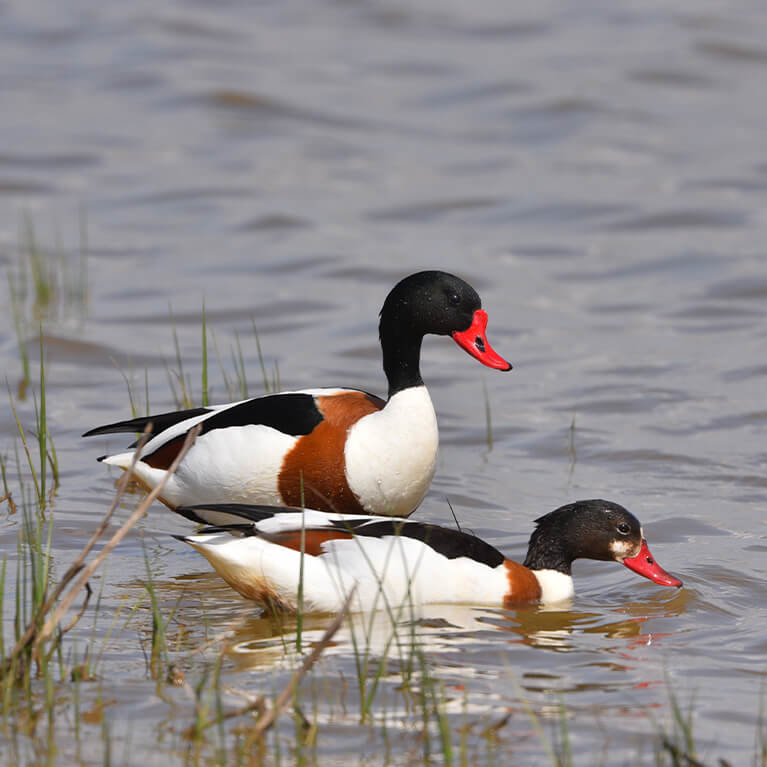
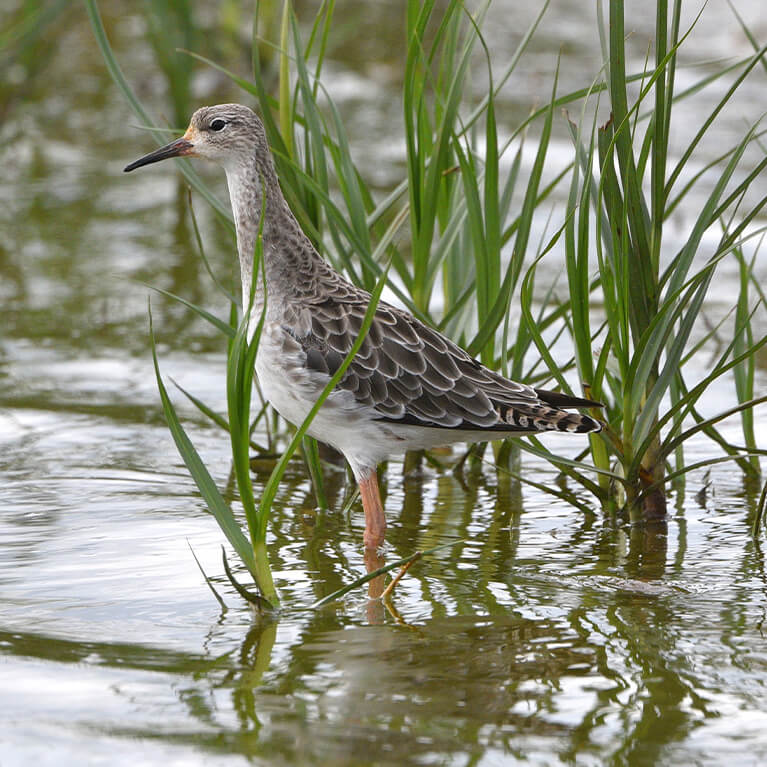
Summer tends to be the quietest time but as July progresses wader passage picks up with anything possible but ruffs and little stints are much more frequent than the occasional vagrants like Wilson’s phalarope and Terek sandpiper. Family parties of shelducks frequently make it onto the water having bred in surrounding fields.
useful hints and tips
Even if you can’t walk very far, standing in the north-west corner adjacent to the car park will get you many of the common birds, even better if you have a telescope. If it is wet and or windy you can stand under the covered area in front of the Watersports centre to get out of the elements. The perimeter is 2.3 miles so if you can only walk a little, try a few steps along the north or west sides. With so many birds to look at it can easily take 2 hours do the full circuit. Don’t forget to scan the fields as well as the water and when you get to the treatment works in the north-east corner scan over the buildings and along the cut down to the canal. Often a good place for a kingfisher or moorhen.
facilities
There are no public facilities other than the car park at the reservoir itself. The nearest public house is the Cross Keys at Fulstow (LN11 0XG).
getting here
Covenham Reservoir lies at the foot of the east side of the Wolds between Louth and Grimsby 3 km to the east of the junction of the A16 and A18. it is most easily reached by car as there are no public transport facilities closer than the bus routes on the A16. There is a good 24 hour parking on the north side of the Reservoir (LN11 0PA). The Reservoir is a man-made embanked structure with a footpath on top of the bank all around the perimeter. It can be reached via the sloped track up to the Covenham Watersports Association Centre. If the gate is open it is important you do not drive up to the top car park unless you are a member. You may get locked in! There is a stile next to the gate for pedestrian access if the gate is locked.
access
Crossing the reservoir wall onto the slope is forbidden as is angling or entering the water other than as a member of the Watersports Association. Please don’t stand or walk on the wall either as this will flush birds and irritate other site users!
opening times
There is 24 hour access to the perimeter path but as there is no streetlighting you will need a torch or a good moonlit night if you decide to venture out after dark.
explore the other locations along the Wolds birding trail
Bain Valley, Belmont Mast, Biscathorpe Lake Birdwatching
Bardney Woods & Wetlands Birdwatching
Louth Lud Valley Birdwatching
Red Hill & Stenigot Birdwatching
Snipe Dales Birdwatching
South Ormsby Estate Birdwatching
Willingham Forest & Linwood Warren Birdwatching
Woodhall Airfield and Kirkby Reserves Birdwatching
places to stay nearby
Make a trip of it! Enjoy a coastal getaway with a selection of places to stay close by.